

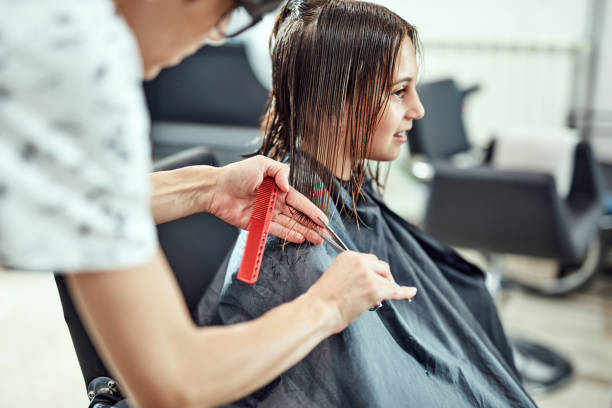
Most people have sat in a salon chair, pointed at a photo, and walked out feeling like something went wrong. The cut looked nothing like the picture. Or it suited the model perfectly but felt totally off on you. It’s a frustrating cycle, and honestly, it happens more than stylists like to admit. The good news is that getting a genuinely flattering haircut isn’t mysterious. There are a handful of things you can learn before your next appointment that make a real difference. If you’re searching for the Best haircut Service in North Brunswick NJ, understanding the basics below will help you walk in confident and walk out happy.
Start With Your Face Shape
This is the big one. Face shape affects which cuts add balance, which ones add length, and which ones just look off. Most people fall into one of six categories: oval, round, square, heart, oblong, or diamond. Oval faces are pretty flexible. Almost any cut works. But if your face is round, you’ll usually want styles that add height at the top and avoid too much width at the sides.
To figure out your shape, pull your hair back and look straight into a mirror. Trace the outline of your face with a dry-erase marker or just study the proportions. Is your forehead wider than your jaw? That’s probably heart-shaped. Is your face roughly as wide as it is long? Likely round or square. Square faces have a strong jawline with a forehead that’s about the same width. Getting this right before you ever talk to a stylist puts you way ahead.
You can also find solid reference material on face shape classifications that breaks down the proportions in more detail. Worth a quick read before your appointment.
Hair Texture and Density Matter More Than You Think
A lot of people bring in a photo of a sleek, straight bob and have thick, coarse, wavy hair. Not impossible to achieve, but it requires way more daily effort than the photo suggests. Fine hair and thick hair behave completely differently. So does straight versus curly. A cut that looks effortless on one texture can be a full-time job on another.
Density is separate from texture. You can have fine hair but a lot of it, or thick individual strands but not much overall volume. This matters because some cuts need weight and bulk to fall correctly, and others get weighed down by too much hair. Before your appointment, think about what your hair actually does on a normal morning, not on a good hair day. That’s the version your stylist needs to know about.
Growth patterns are another thing most beginners ignore. Cowlicks, whorls, and hairlines all affect how a cut sits on your head. A good stylist will check for these during the consultation. But it helps if you already know yours and can point them out.
How to Talk to Your Stylist Like a Pro
The consultation is where most appointments either succeed or go sideways. A lot of clients sit down, say “just a trim” or “something different,” and then feel let down when the result doesn’t match what they had in their head. The fix is simple: be specific. Not aggressively specific, just honest and clear.
Tell your stylist how much time you spend on your hair each morning. Two minutes or twenty? That answer shapes everything. Also tell them what tools you own, whether you blow-dry, whether you use heat at all. A low-maintenance lifestyle needs a low-maintenance cut. Sounds obvious, but plenty of people forget to say it.
Ask your stylist these kinds of questions:
- Does this style work with my hair texture and density?
- How often will I need to come back to maintain this?
- What will this look like when it grows out?
- Do I need any special products to make this work at home?
A stylist worth their salt will answer all of these without hesitation. If they brush past your questions, that’s a signal worth paying attention to.
Using Reference Photos the Right Way
Photos are useful. But they can also set you up for disappointment if you’re not using them correctly. Bringing in a picture of someone with pin-straight hair when yours is naturally curly is going to create confusion. The cut might work, but the finished look will be different. That’s not failure. That’s just physics.
Bring two or three photos instead of one. Look for images where the model’s hair texture looks similar to yours, not just the shape or length you want. Also, try to find pictures that show the cut from different angles. Front-only shots hide a lot. Color On Edge Beauty Lounge. is a good example of a local salon where stylists will actually look at your reference photos and tell you honestly what’s achievable versus what would need significant styling effort every single day.
It also helps to bring a photo of a cut you hated. Knowing what you don’t want is just as useful as knowing what you do. Stylists appreciate that kind of clarity.
What to Expect During Your Appointment
First-timers sometimes feel awkward because they don’t know the flow. Here’s the basic shape of a professional appointment. You’ll start with a consultation, which might last five to fifteen minutes depending on the complexity of what you’re asking for. Then comes the shampoo and condition, usually done at a separate sink. After that, the stylist will section your hair and begin cutting. Sections keep the cut even and controlled.
For a Haircut Service in North Brunswick, most appointments run between 45 minutes and an hour and a half, depending on length and style. You’ll get a blow-dry and finish at the end unless you request otherwise. This is a good time to ask your stylist to show you how they’re styling it so you can recreate it at home.
Speak up if something feels off mid-cut. Seriously. It’s much easier to adjust before the appointment is done than after. A good stylist won’t take it personally. They’d rather get it right the first time.
The second time you visit a salon for Haircut Service in North Brunswick, the whole thing gets easier. You already know your stylist’s rhythm, you know what worked, and you can build on it. First visits are always the hardest part.
Finding the right Best haircut Service in North Brunswick NJ isn’t just about skill. It’s about communication, preparation, and knowing enough about your own hair to have a real conversation with whoever’s holding the scissors.
Frequently Asked Questions
How do I figure out my face shape at home?
Pull your hair back completely and stand in front of a mirror with good lighting. Look at the widest part of your face, the shape of your jawline, and whether your face is longer or wider. You can also measure with a soft tape measure across your forehead, cheekbones, jaw, and face length. Comparing those numbers usually makes the shape pretty clear.
Can I get a good haircut if my hair is really thick or curly?
Absolutely. Thick and curly hair just needs a stylist who knows how to work with it, not against it. The key is finding someone with experience in your specific texture and being upfront about how much styling you’re willing to do at home. Some cuts actually look better on thick or curly hair than they do on straight hair.
How many reference photos should I bring?
Two to four is usually a good range. One or two showing what you want, and ideally one showing something you didn’t like. More than five can get confusing for both you and your stylist. Focus on finding photos where the hair texture looks similar to yours, not just the overall shape.
What if I don’t like the haircut once it’s done?
Say something before you leave the salon. Most stylists will make adjustments on the spot if you speak up calmly and specifically. If you notice something a day or two later, call and ask to come back. Reputable salons want you happy. And if a cut truly doesn’t work out, hair grows. Most cuts look different after a week anyway as the style settles.
How often should I get a haircut?
It depends on the style. Short cuts usually need a trim every four to six weeks to stay sharp. Medium and longer styles can go eight to twelve weeks, sometimes longer if you don’t mind some grown-out softness. Ask your stylist at the end of your appointment what they recommend for your specific cut. They’ll give you a straight answer.