Planning a home renovation, building an addition, or updating outdated wiring in your Fontana home? Understanding residential electrical installation is essential for homeowners who want safe, code-compliant work that stands the test of time. Whether you’re adding new circuits for modern appliances or completely rewiring an older property, the quality of your electrical installation directly impacts your home’s safety, functionality, and resale value.
Finding a qualified electrician in Fontana, CA who understands local building codes and can deliver professional electrical installation service makes all the difference. This guide walks you through everything you need to know about residential wiring installation, from planning your project to understanding what quality workmanship looks like, so you can make informed decisions about your home’s electrical system.
Understanding Residential Wiring Installation Basics
Residential wiring installation involves much more than simply running wires through walls. A proper installation includes careful planning of circuit layouts, selecting appropriate wire gauges for different loads, installing protective devices like circuit breakers and GFCI outlets, and ensuring every connection meets strict safety standards. Modern homes in Fontana typically require 100 to 200-amp service panels, depending on square footage and electrical demands.
The National Electrical Code provides the foundation for all electrical work, but local amendments in San Bernardino County add specific requirements that licensed electricians must follow. Residential wiring installation in Fontana, CA must account for the region’s climate considerations, including proper grounding systems that protect against electrical surges common during summer thunderstorms. Professional installers also consider future needs, leaving room for expansion in your electrical panel and running conduit that allows for easy upgrades down the road.
Common Residential Electrical Installation Projects
Whole-House Rewiring
Homes built before 1980 often need complete rewiring to handle modern electrical loads safely. Older wiring systems may use outdated materials like aluminum wiring or lack proper grounding. A whole-house rewiring project replaces all circuits, installs a modern service panel, adds sufficient outlets for today’s devices, and brings everything up to current code. This extensive electrical installation service typically takes several days and requires coordination with other trades if walls need opening.
Kitchen and Bathroom Upgrades
Kitchen remodels demand specialized electrical installation because of the high-power appliances involved. Code requires dedicated circuits for refrigerators, dishwashers, garbage disposals, and microwaves, plus multiple countertop circuits for small appliances. Bathrooms need GFCI protection on all outlets and proper spacing for safety near water sources. These rooms also benefit from updated lighting controls, including dimmer switches and ventilation fan timers that enhance both functionality and energy efficiency.
Room Additions and ADUs
Adding square footage means extending your electrical system properly. New construction requires careful load calculations to ensure your existing panel can handle additional circuits, or if a service upgrade is needed first. Room additions need proper lighting circuits, adequate outlet spacing per code, and potentially dedicated circuits for heating and cooling equipment. Accessory dwelling units require even more thorough planning, sometimes necessitating separate electrical services with their own meters.
What to Look for in Quality Electrical Installation Service
Quality electrical installation starts with proper licensing and insurance. California requires electricians to hold state certification, and reputable contractors carry both liability insurance and workers’ compensation coverage. Ask to see these credentials before any work begins. Experienced electricians in Fontana, CA will also pull necessary permits and arrange inspections, ensuring your installation passes municipal review.
Professional installation includes detailed planning before any wire gets pulled. Your electrician should assess your existing system, calculate electrical loads accurately, design circuit layouts that balance loads across phases, and specify materials that meet or exceed code requirements. Quality contractors explain their approach clearly, provide detailed written estimates, and stand behind their work with solid warranties. They also maintain clean work sites, protect your property during installation, and leave you with clearly labeled panels and documentation of all work performed.
Watch for warning signs of substandard work, including reluctance to pull permits, significantly lower bids than competitors without clear explanation, pressure to start immediately without proper assessment, or vague answers about licensing and insurance. Quality residential wiring installation in Fontana, CA homeowners can trust comes from established businesses with verifiable references and a track record of code-compliant work.
Planning Your Electrical Installation Project
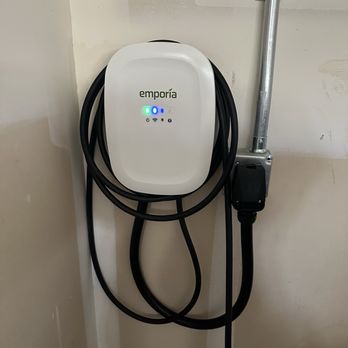
Start by identifying your current needs and future plans. Make a list of all new outlets, switches, fixtures, and appliances your project requires. Consider lifestyle changes on the horizon, like home offices needing robust data and power infrastructure, or plans for electric vehicle charging that requires substantial electrical capacity. This forward thinking prevents costly retrofits later.
Schedule consultations with multiple licensed electricians to get different perspectives on your project. During these meetings, discuss not just what you want installed, but why you need it and how you use your spaces. Experienced professionals often suggest improvements you hadn’t considered, like strategic outlet placement that eliminates extension cord clutter or lighting controls that enhance ambiance while reducing energy costs.
Budget realistically for electrical installation service by understanding that proper work requires quality materials, skilled labor, permit fees, and inspection costs. While prices vary based on project scope, cutting corners on electrical work creates serious safety hazards and code violations that become expensive problems during home sales. Plan for some contingencies too, since opening walls sometimes reveals unexpected issues that need addressing.
Safety Considerations and Code Compliance
Electrical codes exist to prevent fires, shocks, and electrocutions. Residential wiring installation in Fontana, CA must include arc-fault circuit interrupters in bedrooms and living areas, ground-fault circuit interrupters near water sources, and proper bonding and grounding throughout the system. Wire sizing must match circuit breaker ratings, and connections must be made in approved junction boxes, never buried in walls where they can’t be accessed.
Modern safety features like whole-house surge protection shield expensive electronics from voltage spikes, while tamper-resistant outlets protect young children from electrical hazards. Smart smoke detectors interconnected through your electrical system provide early warning throughout your home when any single detector activates. Discussing these safety enhancements with your electrician ensures your installation goes beyond minimum requirements to truly protect your household.
Maintaining Your Electrical System After Installation
Once your electrical installation is complete and passes inspection, ongoing maintenance keeps everything functioning safely. Test GFCI and AFCI devices monthly using their built-in test buttons. Watch for warning signs like frequently tripping breakers, flickering lights, warm outlets, or burning smells, and address these immediately. Schedule professional electrical inspections every few years, especially in older homes or after significant weather events.
Keep documentation from your installation project, including permits, inspection certificates, circuit diagrams, and warranty information. This paperwork proves code-compliant work when selling your home and helps future electricians understand your system. Label your electrical panel clearly so you can quickly identify circuits during emergencies or when performing simple maintenance tasks yourself.
Final Thoughts on Electrical Installation in Fontana
Quality residential electrical installation protects your family, preserves your investment, and provides reliable power for decades. By understanding what proper electrical installation service involves, planning thoroughly, and choosing experienced professionals, you ensure work that meets code, functions flawlessly, and adapts to your changing needs. Whether you’re updating a single room or rewiring your entire home, the right approach to residential wiring installation in Fontana, CA makes your project successful from start to finish.
When you’re ready to move forward with electrical installation, working with established local contractors like All-In-One Electrical Systems, Inc ensures you benefit from professionals who understand Fontana’s specific requirements and stand behind their craftsmanship. Take time to plan carefully, ask detailed questions, and insist on licensed, insured electricians who prioritize safety and quality above quick completion.
Frequently Asked Questions
How much does residential electrical installation typically cost in Fontana?
Costs vary widely based on project scope. Simple outlet additions might run a few hundred dollars, while whole-house rewiring can cost several thousand to tens of thousands depending on home size and complexity. Most electricians in Fontana, CA charge either hourly rates or per-project pricing after assessing your specific needs. Always get detailed written estimates from multiple licensed contractors, and remember that unusually low bids often indicate corners being cut on materials, permits, or proper procedures.
Do I need permits for electrical work in my Fontana home?
Yes, most electrical installation projects require permits from the City of Fontana or San Bernardino County, depending on your location. Permits ensure work gets inspected and meets safety codes. Minor repairs like replacing existing switches or fixtures sometimes don’t require permits, but new circuits, panel upgrades, and major installations always do. Licensed electricians typically handle permit applications as part of their service, and completed permits with passing inspections protect you legally and financially.
How long does a typical residential wiring installation project take?
Timeline depends entirely on project complexity. Installing a few new circuits might take a day, while whole-house rewiring can require a week or more. Kitchen electrical upgrades typically span several days, coordinated with other trades. Your electrician should provide a realistic timeline during project planning, factoring in permit processing, inspection scheduling, and any unforeseen complications. Quality work takes time, so be wary of contractors promising unrealistically fast completion.
Can I upgrade my electrical system in stages rather than all at once?
Absolutely. Many homeowners tackle electrical upgrades in phases to spread costs over time. Common approaches include upgrading the main panel first to provide capacity for future additions, then adding circuits room by room as budget allows. However, ensure each phase results in complete, code-compliant work rather than leaving installations half-finished. Discuss your long-term plans with your electrician so early phases support future work efficiently without requiring duplicate effort or material waste.
What should I do if I experience electrical problems after installation?
Contact your electrician immediately if you notice any issues after installation. Reputable contractors warranty their work and will return to address legitimate problems at no charge. Document specific issues with photos and notes about when they occur. For safety concerns like sparking, smoking, or burning smells, shut off power at the main breaker and call for emergency service right away. Quality electrical installation service includes standing behind completed work and maintaining customer relationships beyond project completion.