Finding the perfect massage therapist can feel overwhelming, especially in a city as diverse as San Francisco. With countless options available, you want someone skilled, trustworthy, and capable of delivering the full body relaxation experience you deserve. Whether you’re dealing with chronic tension, recovering from an injury, or simply seeking a peaceful escape from daily stress, the right therapist makes all the difference in your wellness journey.
The relationship between you and your massage therapist matters more than many people realize. A great therapist doesn’t just apply techniques; they listen to your body, understand your specific needs, and create a customized experience that addresses your unique concerns. When searching for a massage spa in San Francisco, CA, knowing what to look for helps you invest your time and money wisely while ensuring you receive the therapeutic benefits you’re seeking.
Understanding Your Personal Massage Needs
Before you start your search for a massage therapist in San Francisco, CA, take time to clarify what you actually need. Are you looking for deep tissue work to address specific pain points, or do you prefer gentle Swedish techniques for overall relaxation? Perhaps you need prenatal massage support, sports recovery, or help managing chronic conditions like fibromyalgia or arthritis.
Different therapists specialize in different modalities. Someone trained extensively in sports massage might not be the best fit if you’re seeking gentle, meditative bodywork. Write down your primary goals before making calls or booking appointments. Are you addressing a specific injury? Managing stress-related tension? Seeking regular maintenance for overall wellness? Clear goals help you ask the right questions and find a therapist whose expertise aligns with your needs.
Consider your comfort preferences as well. Some people prefer firm pressure and direct communication, while others want a quieter, more intuitive approach. Think about whether you prefer male or female therapists, what kind of atmosphere helps you relax, and whether you have any sensitivities to oils, lotions, or scents. These preferences aren’t superficial; they directly impact how well you can relax and receive the therapeutic benefits of your session.
Verifying Credentials and Professional Training
Legitimate massage therapists in California must be certified by the California Massage Therapy Council (CAMTC). This certification requires completing at least 500 hours of training from an approved school and passing both written and practical exams. Always verify that any therapist you’re considering holds current CAMTC certification. You can check this online through the CAMTC website by searching their name or certificate number.
Beyond basic certification, look for additional training and specializations. Many excellent therapists pursue continuing education in specific techniques like myofascial release, trigger point therapy, craniosacral work, or Thai massage. If you’re seeking help for a particular condition, ask potential therapists about their relevant training and experience. A therapist who regularly works with clients facing similar challenges to yours will better understand how to help you.
Experience and Client History
Years of practice matter, but so does the type of experience. A therapist who has worked five years in a high-volume spa setting develops different skills than someone who spent that time in a clinical rehabilitation environment. Ask how long they’ve been practicing, what settings they’ve worked in, and what types of clients they typically see. This conversation reveals whether their background matches your needs.
Evaluating Communication and Professionalism
The initial consultation, whether by phone or in person, tells you volumes about a massage therapist. Professional therapists ask detailed questions about your health history, current concerns, and treatment goals. They should inquire about any injuries, medical conditions, medications, or areas to avoid. If a therapist rushes through intake or seems dismissive of your concerns, consider it a red flag.
Pay attention to how well they explain their approach. A skilled massage therapist in San Francisco, CA should be able to describe what techniques they’ll use, why those methods suit your needs, and what you can expect during and after the session. They should also discuss pressure preferences and make clear that you can request adjustments at any time. This open communication creates a safe environment where you can fully relax.
Professional boundaries are equally important. Your therapist should maintain appropriate draping at all times, knock before entering the room, and respect your privacy. They should never make you feel uncomfortable or pressured. Trust your instincts. If something feels off during your first interaction, it’s perfectly acceptable to look elsewhere.
Assessing the Practice Environment
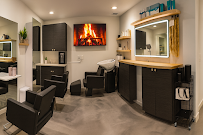
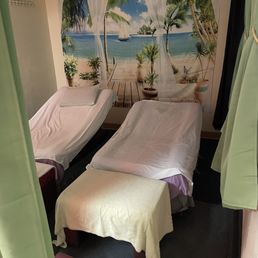
The space where you receive your full body relaxing massage in San Francisco, CA significantly impacts your experience. Visit the location before booking if possible, or carefully review photos and descriptions online. The massage room should be clean, appropriately heated, and designed to promote relaxation. Lighting should be adjustable, and the table should be well-maintained with fresh linens.
Cleanliness extends beyond aesthetics; it’s a health concern. Observe whether the therapist washes their hands before beginning, uses clean linens for each client, and maintains sanitary practices. The space should smell fresh without overwhelming artificial fragrances. Many people are sensitive to strong scents, so quality massage spas offer unscented options or use only mild, natural aromatherapy oils.
Location and Accessibility Considerations
Convenience matters more than you might think. A massage spa in San Francisco, CA that’s difficult to reach or lacks parking might add stress that undermines your relaxation goals. Consider locations near your home or workplace, and check whether they offer flexible scheduling that fits your life. If public transportation is your primary option, choose a spot near BART, Muni, or bus lines.
Reading Reviews and Seeking Recommendations
Online reviews provide valuable insights, but read them critically. Look for patterns rather than isolated comments. Multiple mentions of specific strengths, like expertise with deep tissue work or exceptional communication skills, carry more weight than single extreme reviews. Pay attention to how the business responds to negative feedback. Professional therapists address concerns constructively and seek to resolve issues.
Personal recommendations from friends, family, or healthcare providers often prove most valuable. People you trust can describe their actual experiences and help you understand whether a particular therapist might suit your needs. Your primary care physician, chiropractor, or physical therapist may also have referrals to massage professionals they’ve worked with successfully.
When reading reviews, notice what clients say about results. Do people mention feeling genuinely better after sessions? Do they return regularly? Long-term clients and detailed testimonials about specific improvements suggest a therapist who delivers consistent, effective care rather than just a pleasant hour on the table.
Understanding Pricing and Value
Massage therapy pricing in San Francisco varies considerably based on location, therapist experience, and session length. Expect to pay more for therapists with extensive specialized training or those working in premium locations. However, higher prices don’t automatically guarantee better results. Focus on finding someone whose skills match your needs at a price point you can sustain if you want regular sessions.
Many people benefit most from consistent massage therapy rather than occasional splurges. If budget is a concern, ask about package deals, membership programs, or off-peak discounts. Some therapists offer sliding scale fees based on income. The goal is finding quality care you can afford to maintain, since regular full body relaxing massage in San Francisco, CA typically provides more substantial long-term benefits than sporadic expensive sessions.
Be wary of deals that seem too good to be true. Extremely low prices might indicate inadequate training, poor working conditions that lead to high therapist turnover, or upselling pressure once you arrive. Quality massage therapy is skilled healthcare work that deserves fair compensation. Reasonable pricing reflects the therapist’s training, experience, and the costs of maintaining a professional practice.
Making the Most of Your First Session
Your first appointment is essentially a trial run. Arrive a few minutes early to complete paperwork without rushing. Be honest and thorough on your intake form, mentioning any health conditions, injuries, or concerns. This information helps your massage therapist in San Francisco, CA create a safe, effective treatment plan.
During the session, communicate openly about pressure, comfort, and any sensations you experience. Many people stay silent even when uncomfortable, but your feedback helps the therapist adjust their approach. If something hurts or feels wrong, speak up immediately. Likewise, if a technique feels particularly helpful, mention that too.
After your session, pay attention to how your body responds over the next few days. Some soreness is normal, especially after deeper work, but you should feel overall improvement in your target areas. Notice whether the therapist’s pressure level suited you, whether you felt heard and respected, and whether the environment supported relaxation. These observations guide your decision about returning or continuing your search.
Final Thoughts on Finding Your Ideal Massage Therapist
Choosing the right massage therapist takes some effort, but the investment pays dividends in your health and wellbeing. The perfect match understands your body’s needs, communicates clearly, maintains professional standards, and creates an environment where you can truly let go and heal. Don’t settle for mediocre experiences when excellent care is available.
Remember that finding the right fit might take a few tries. Just as you wouldn’t expect to love the first dentist or hairdresser you visit, massage therapy relationships develop over time. Give a therapist a fair chance, but trust your instincts if something doesn’t feel right. Many excellent massage spas in San Francisco, CA, like Mumu Spa, employ multiple therapists with different specialties and approaches, which can help you find your ideal match within one welcoming location. Prioritize your comfort, communicate your needs clearly, and give yourself permission to seek the quality care you deserve.
Frequently Asked Questions
How do I know if a massage therapist is properly licensed in California?
Check the California Massage Therapy Council website where you can verify current certification by searching the therapist’s name or certificate number. All legitimate massage therapists practicing in California must hold CAMTC certification, which requires completing 500 hours of approved training and passing state exams. Most professional therapists display their certificate number on their website or in their office.
What should I expect during my first full body relaxing massage appointment?
Your first session typically begins with paperwork covering your health history and treatment goals. The therapist will discuss your needs, explain their approach, and answer questions. During the massage, you’ll be properly draped with sheets at all times, and the therapist will work on different areas of your body using techniques suited to your preferences. Sessions usually last 60 to 90 minutes, and you should feel relaxed and comfortable throughout.
How often should I get massage therapy for the best results?
Frequency depends on your specific goals and needs. For stress management and general wellness, monthly sessions work well for many people. If you’re addressing chronic pain, injury recovery, or specific conditions, weekly or biweekly appointments may provide better results initially. Discuss your situation with your massage therapist, who can recommend a schedule based on your body’s response to treatment and your budget considerations.
What is the difference between deep tissue and relaxation massage?
Deep tissue massage uses firmer pressure and focuses on reaching deeper muscle layers to address chronic tension, knots, and specific problem areas. It can be somewhat uncomfortable during treatment but effectively relieves stubborn pain patterns. Relaxation massage, often called Swedish massage, uses gentler flowing strokes designed primarily to reduce stress, improve circulation, and promote overall relaxation. Both have value depending on what your body needs at any given time.
Is it normal to feel sore after a massage session?
Mild soreness for a day or two after massage, especially deeper work, is completely normal. This happens because massage releases tension, increases circulation, and sometimes works through adhesions in muscle tissue. The soreness should feel similar to post-exercise muscle fatigue and resolve quickly. However, sharp pain, severe discomfort, or symptoms lasting more than a few days aren’t normal. Communicate with your therapist about pressure preferences to minimize soreness while still getting effective treatment.