

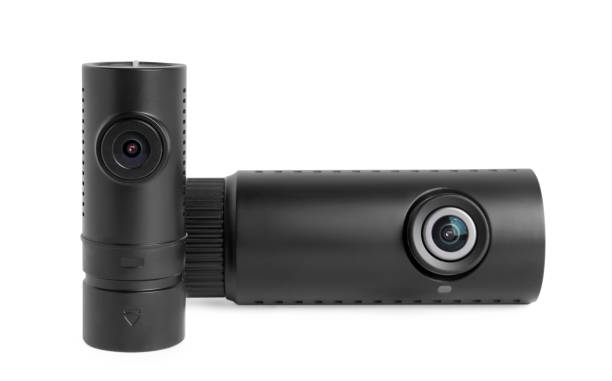
Have you ever walked to your car and noticed a new scratch? It feels frustrating. You wonder who did it. You also wish you had proof. That is where smart dashcams help. Today, many drivers want protection even when parked. So, they look for tools that can watch their cars day and night. The FineVu GX1000 Dual QHD Dashcam with STARVIS & ADAS has features made for this problem. It does more than record while you drive. Instead, it keeps watch when your engine is off. Moreover, it uses smart sensors and AI tools to detect impact. As a result, you get alerts and video evidence.
FineVu GX1000 Dual QHD Dashcam with STARVIS & ADAS Parking Mode Explained
Parking mode powers damage detection. When you turn off the car, the dashcam stays alert in low-power mode. It waits for motion or impact. Built-in sensors detect sudden shakes or hits. If someone bumps your car, the system quickly saves the video. Moreover, dual cameras record both front and rear views, giving you stronger proof while saving space with time-lapse recording.
How Impact Sensors Detect Sudden Hits
Impact detection starts with a G-sensor. A G-sensor measures motion and force. When your car moves suddenly, the sensor notices. For instance, if someone opens a door into your car, the sensor feels the shock. Then, it tells the camera to lock that video clip. Therefore, the file will not be deleted later.
Here is how it works step by step:
- The car is parked.
- The dashcam stays in standby mode.
- A sudden vibration happens.
- The G-sensor detects the force.
- The camera records and locks the clip.
Because of this quick response, you get clear proof. Furthermore, the system saves the exact time of the event. So, you know when the damage happened.
How Motion Detection Adds Extra Protection
Impact detection is helpful. However, motion detection adds another layer. Motion detection watches for movement near your car. So, even before impact, the camera may start recording. For example, if someone walks close and looks suspicious, the camera can record. Then, if damage happens, you already have footage. That gives context.
Motion detection works by scanning changes in pixels. When the scene changes, the camera wakes up. As a result, it records only when needed. This saves memory space. At the same time, it keeps your vehicle protected.
The Role of STARVIS Night Vision in Dark Parking Lots
Many parking incidents happen at night. So, clear night video matters. The STARVIS sensor improves low-light recording. It captures more detail in dark areas. Therefore, even in dim light, the camera can capture license plates.
Here is why night vision helps:
| Feature | Benefit |
| STARVIS sensor | Better low-light clarity |
| HDR support | Balanced bright and dark areas |
| QHD resolution | Sharp details |
Because of these features, you can see faces and vehicles more clearly. Moreover, HDR reduces glare from headlights. So, bright lights do not wash out the image.
How AI Damage Detection Sends Alerts
AI tools make parking mode smarter. AI can analyze impact strength and direction. So, you know where the hit came from. The FineVu GX1000 Dual QHD Dashcam with STARVIS & ADAS uses AI to send alerts through a mobile app. When damage happens, you receive a notice. Then, you can check the footage right away.
Here is what AI can do:
- Measure impact level
- Show hit direction
- Send app notification
- Mark important video clips
Because of AI, you do not need to search through hours of video. Instead, the system highlights key moments. That saves time.
GPS Data Helps Prove Your Case
GPS adds another layer of proof. It records time and location data. So, each clip shows where your car was parked. This information helps confirm exactly when and where an incident happened. Moreover, it creates a clear timeline of events. As a result, you can share accurate details with insurance companies or the police if needed.
If a dispute happens, you can show:
- Exact time of impact
- Exact location
- Speed before parking
This data builds trust. Moreover, insurance companies often value detailed records. Therefore, having GPS logs can help settle claims faster. In addition, clear location and time stamps reduce confusion during disputes. As a result, you can present solid proof and avoid long back-and-forth discussions.
Why Dual Cameras Matter for Full Coverage
Front-only cameras miss some events. However, dual cameras cover both ends. That matters in parking lots. For example, someone may hit your rear bumper. If you only have a front camera, you may miss it. However, dual QHD cameras capture more angles.
The FineVu GX1000 Dual QHD Dashcam with STARVIS & ADAS records in high resolution on both sides. Therefore, details stay sharp. Moreover, wide viewing angles cover more space.
Simple Installation and Setup Guide
Proper setup ensures accurate detection. First, mount the front camera behind the rearview mirror. Then, attach the rear camera to the back window. Next, connect the hardwire cable for parking mode. After that, adjust settings in the app. You can set:
- Impact sensitivity
- Motion detection level
- Time-lapse mode
- Alert notifications
Finally, test the system. Gently tap the car to check detection. Then, review saved footage. This ensures the system works correctly. Also, check the app notifications to confirm alerts arrive on time. If needed, adjust the sensitivity settings. This step helps improve accuracy and avoid false alerts.
Protect Your Car Today
Don’t wait until you find a scratch on your car. Take action now and set up your dashcam the right way. Turn on parking mode, adjust the sensitivity, and test your alerts today. Protect your vehicle, reduce stress, and gain peace of mind every time you park. Start securing your car now.
