

Protecting your home in Ontario, CA requires more than just locking your doors at night. With property crime rates fluctuating and package theft becoming increasingly common, homeowners are turning to comprehensive security solutions that combine alarm systems with visual monitoring. A properly installed home security system, complete with strategically placed surveillance cameras, can deter intruders, provide valuable evidence if incidents occur, and give you peace of mind whether you’re home or away.
Many homeowners feel overwhelmed by the technical aspects of security system installation, from choosing the right equipment to understanding optimal camera placement. This guide walks you through what you need to know about home security system installation in Ontario, CA, focusing specifically on surveillance camera installation and how these components work together to create a truly secure property. Whether you’re protecting a modest single-family home or a larger estate, understanding these fundamentals will help you make informed decisions about your security investment.
Understanding the Components of a Complete Home Security System
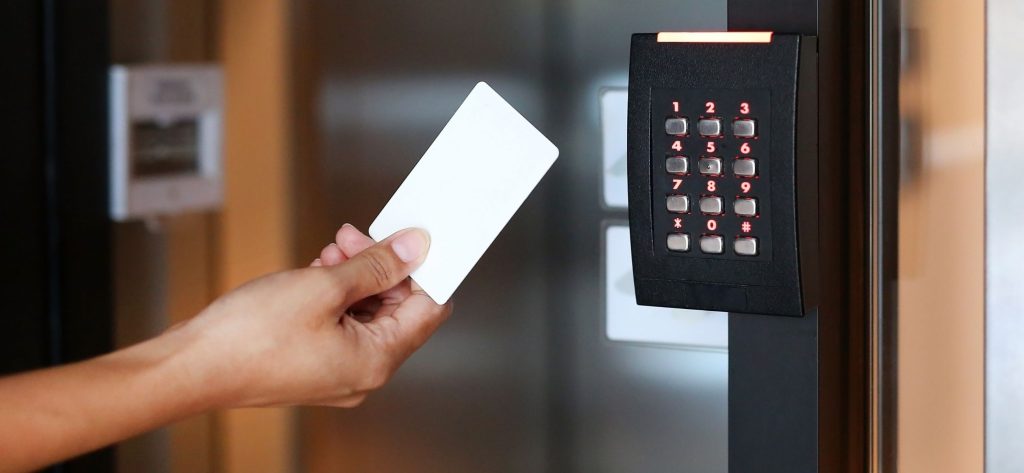
A comprehensive home security system installation in Ontario, CA typically includes several interconnected components. The control panel serves as the brain of your system, connecting door and window sensors, motion detectors, glass break sensors, and your surveillance cameras into one cohesive network. Modern systems often include a keypad for arming and disarming, plus smartphone connectivity that allows you to monitor and control everything remotely.
Surveillance cameras have become essential rather than optional in most security system installations. These cameras range from basic motion-activated models to sophisticated units with night vision, two-way audio, and artificial intelligence features that can distinguish between people, animals, and vehicles. When integrated with your alarm system, cameras provide visual verification of alerts, allowing you to see what triggered a sensor before calling authorities.
The quality of your security system installation service in Ontario, CA directly impacts how well these components work together. Poor installation can lead to blind spots in camera coverage, sensors that trigger false alarms, or connectivity issues that leave you without protection when you need it most. Professional installation ensures every component is properly positioned, configured, and tested before the technician leaves your property.
Strategic Surveillance Camera Installation Planning
The effectiveness of surveillance camera installation in Ontario, CA depends heavily on strategic placement. Not all locations are equally valuable for security purposes. The most critical areas to cover include all entry points to your home, particularly front and back doors, garage doors, and first-floor windows. These are the most common access points for intruders, and clear video footage of someone attempting entry can serve as powerful evidence.
Exterior Camera Placement Considerations
Outdoor cameras should be mounted high enough to avoid tampering but positioned to capture facial details rather than just the tops of heads. A height of 9 to 10 feet typically provides the right balance. Consider the field of view for each camera, ensuring you minimize blind spots while avoiding unnecessary overlap. Many homeowners make the mistake of installing cameras that point directly at bright light sources, which can wash out footage and render it useless for identification purposes.
Weather protection is another crucial factor in Ontario, CA, where summer temperatures can exceed 100 degrees. Cameras need appropriate weatherproof ratings, and installation should account for sun exposure that could degrade equipment over time. Professional security system installation service in Ontario, CA includes selecting cameras rated for local climate conditions and positioning them to minimize direct sun exposure during peak hours.
Interior Camera Placement and Privacy
Interior cameras serve different purposes than exterior surveillance. Common indoor locations include main hallways that provide views of multiple rooms, staircases, and rooms with valuable items. However, privacy considerations become important with indoor cameras. Many families choose not to install cameras in bedrooms or bathrooms, and modern systems allow you to set privacy zones or disable specific cameras when family members are home.
Interior surveillance camera installation in Ontario, CA often focuses on ground-floor entry points and common areas where an intruder would likely pass through. These cameras also serve double duty, allowing you to check on children, elderly family members, or pets while you’re away. The key is balancing security needs with the comfort of family members who may feel uncomfortable being constantly monitored.
Wired Versus Wireless Security System Installation
One of the biggest decisions in home security system installation in Ontario, CA involves choosing between wired and wireless systems. Wired systems run cables from each sensor and camera back to the control panel, providing reliable power and communication that isn’t dependent on batteries or Wi-Fi signals. These systems are extremely dependable but require more invasive installation, including drilling through walls and running cables through attics or crawl spaces.
Wireless systems communicate via radio frequencies or Wi-Fi, making installation less invasive and more flexible. You can add or move sensors and cameras without rewiring, and many wireless components are battery-powered. However, wireless systems require regular battery changes, can experience interference from other devices, and depend on your home’s Wi-Fi network remaining stable. In areas with spotty internet service, this can be a significant drawback.
Many modern security system installation services in Ontario, CA recommend hybrid approaches. Critical components like control panels and primary door sensors might be hardwired for reliability, while additional sensors and certain cameras use wireless connectivity for flexibility. This approach combines the best of both technologies while minimizing the weaknesses of each.
Professional Installation Versus DIY Approaches
The growing availability of DIY security products tempts many homeowners to skip professional installation. While this can save money upfront, it often leads to problems down the line. Common DIY mistakes include incorrect sensor placement that creates blind spots, cameras positioned at wrong angles that capture useless footage, and improperly configured systems that generate frequent false alarms.
Professional home security system installation in Ontario, CA brings expertise that most homeowners lack. Experienced technicians understand local building codes, know how to route cables through walls without damaging electrical or plumbing systems, and can identify optimal sensor and camera locations based on your home’s specific layout. They also ensure all components are properly integrated and test the entire system under various conditions before completing the installation.
Another significant advantage of professional surveillance camera installation in Ontario, CA involves ongoing support and maintenance. Reputable installers provide warranties on their work, offer technical support when you have questions, and can quickly troubleshoot problems that arise. DIY installers are on their own, often spending hours on phone support with manufacturers or searching online forums for solutions to technical issues.
Integration with Smart Home Systems
Modern security system installation service in Ontario, CA increasingly involves integration with broader smart home ecosystems. Your security cameras and sensors can trigger smart lights to turn on when motion is detected, lock smart door locks automatically when you arm the system, or adjust thermostats when you leave home. This integration creates a more cohesive security environment while adding convenience to your daily routines.
Voice control through systems like Amazon Alexa or Google Home allows you to check camera feeds on smart displays, arm or disarm your system with voice commands, and receive verbal alerts when sensors are triggered. However, proper integration requires careful setup to ensure security isn’t compromised. Professional installers understand how to connect these systems while maintaining appropriate security protocols and access controls.
Storage Solutions and Footage Management
An often-overlooked aspect of surveillance camera installation in Ontario, CA involves how and where your footage gets stored. Modern systems offer several options, each with advantages and drawbacks. Local storage using a digital video recorder or network video recorder keeps all footage on-site, giving you complete control and eliminating monthly cloud storage fees. However, if a burglar steals or destroys your recording device, you lose all evidence.
Cloud storage sends footage to remote servers, protecting it from theft or damage. Most cloud services offer rolling storage windows, keeping footage for 30 to 90 days before deletion. This approach requires reliable internet connectivity and typically involves monthly subscription fees. Some homeowners choose hybrid solutions that store footage both locally and in the cloud, providing redundancy while controlling costs.
The amount of storage you need depends on the number of cameras, recording quality, and whether cameras record continuously or only when motion is detected. Higher resolution cameras produce clearer images but consume more storage space. Professional security system installation in Ontario, CA includes recommendations for appropriate storage solutions based on your specific camera configuration and how long you want to retain footage.
Conclusion: Protecting Your Ontario Home with Professional Security Installation
Investing in home security system installation in Ontario, CA represents a significant step toward protecting your property, possessions, and loved ones. The combination of comprehensive alarm components and strategically placed surveillance cameras creates multiple layers of security that deter criminals and provide valuable evidence if incidents occur. While the initial cost might seem substantial, the long-term value in terms of safety, insurance savings, and peace of mind typically far exceeds the investment.
Choosing professional surveillance camera installation in Ontario, CA ensures your system is designed and implemented correctly from the start, avoiding the frustrations and vulnerabilities that often result from DIY attempts. Local providers like Alarm4Less understand the specific security challenges Ontario homeowners face and can tailor solutions to your property’s unique characteristics, your budget, and your family’s security priorities. Taking the time to work with experienced professionals means you can trust your security system to function properly when you need it most.
Frequently Asked Questions
How long does a typical home security system installation take in Ontario, CA?
A standard residential installation typically takes four to eight hours, depending on the size of your home and the complexity of the system. A basic system with a control panel, several door and window sensors, and two or three cameras might be completed in a single afternoon. Larger homes requiring extensive camera coverage, multiple keypads, or hardwired components throughout the property may require a full day or even two days to complete properly. Professional installers will provide a time estimate during the consultation phase after assessing your specific property and requirements.
What resolution should I choose for my surveillance cameras?
For most home security applications, cameras with 1080p resolution provide adequate detail for identifying faces and license plates at reasonable distances. Higher resolution options like 4K cameras offer superior image quality and allow you to digitally zoom into footage while maintaining clarity, but they require more storage space and bandwidth. The optimal choice depends on what you’re monitoring. Cameras watching entry points benefit from higher resolution, while cameras covering large yard areas might not need the extra detail. Your installer can recommend appropriate resolution levels for each camera location based on the distance to potential subjects and the level of detail you need.
Can I view my security cameras remotely when I’m away from home?
Yes, virtually all modern security systems include remote viewing capabilities through smartphone apps or web browsers. Once your system is connected to your home internet network, you can check live camera feeds, review recorded footage, receive alerts when motion is detected, and control system functions from anywhere with an internet connection. Some systems require monthly subscription fees for remote access and cloud storage, while others include these features in the initial purchase price. Setting up remote access correctly during installation ensures the feature works reliably without creating security vulnerabilities in your network.
Do outdoor security cameras work at night in Ontario, CA?
Quality outdoor surveillance cameras designed for security purposes include infrared or night vision capabilities that allow them to capture clear footage in complete darkness. Most cameras can see 30 to 100 feet in the dark depending on the model and built-in illuminator strength. Some cameras also feature color night vision using ambient light or built-in spotlights, providing full-color footage instead of black and white infrared images. When planning your surveillance camera installation, discuss lighting conditions around your property with your installer so they can recommend cameras with appropriate night vision capabilities for each location. Motion-activated lights can supplement camera capabilities while also serving as additional deterrents.
How often do wireless security system batteries need replacing?
Battery life in wireless security components varies widely based on the device type and usage patterns. Door and window sensors that only activate when opened typically last one to three years on standard batteries. Motion detectors and cameras consume more power and may need battery changes every three to twelve months, depending on how frequently they activate and whether they record continuously or only on motion detection. Most modern systems monitor battery levels and send alerts to your phone when batteries are running low, giving you time to replace them before they die. During your installation, ask your technician about expected battery life for each component and whether rechargeable battery options are available for high-drain devices.