Choosing the right hunting blind can make or break your season. Whether you’re watching over food plots in the rolling hills of Holmes County or waiting out whitetails near the Killbuck Marsh, a well-constructed classic blind provides the concealment and comfort you need to stay in position when it matters most. For hunters around Millersburg, OH, understanding what makes a classic hunting blind effective and which accessories actually improve your setup is the difference between an empty freezer and tagged-out success.
This guide walks through everything you need to know about selecting classic hunting blinds and outfitting them with the right accessories. We’ll cover blind construction features that stand the test of time, placement strategies for Ohio terrain, and the gear that transforms a basic shelter into a productive hunting platform. Whether you’re new to blind hunting or looking to upgrade your current setup, you’ll find practical advice you can use this season.
What Defines a Classic Hunting Blind
Classic hunting blinds earn their reputation through proven designs that prioritize function over gimmicks. These structures typically feature hub-style or panel construction with durable fabrics, multiple shooting windows, and enough interior space for one to three hunters. Unlike trendy models that come and go, classic designs have been refined over decades of actual field use. They offer reliable concealment, reasonable weather protection, and the flexibility to adapt to different hunting situations.
The hallmark of a quality classic blind is attention to scent control and silent operation. Zippers should run smoothly without catching, window covers need to open quietly, and the fabric itself shouldn’t crinkle at every movement. In Millersburg, OH, where deer pressure can be significant and wind conditions change quickly, these details separate blinds that produce opportunities from those that educate deer. Look for blinds with brush loops or tie-down points, sturdy corner poles that won’t bend in wind, and seams that won’t leak during November rains.
Ground Blinds vs. Elevated Options
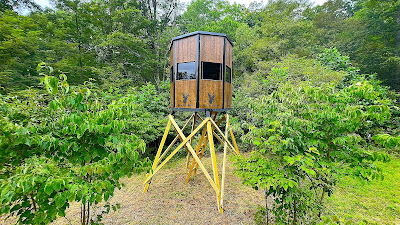
Ground blinds represent the most common classic style, sitting at ground level and relying on natural terrain features or added brush for concealment. They’re portable, relatively affordable, and can be moved as deer patterns shift throughout the season. Elevated classic blinds, while less mobile, offer significant advantages in areas with thick undergrowth or when hunting over bait or food sources. The elevation provides better scent dispersion and improved sight lines. Many hunters around Millersburg maintain both types, using ground blinds for run-and-gun tactics and elevated blinds for primary stand locations they hunt repeatedly.
Critical Features in Classic Hunting Blinds
When evaluating classic hunting blinds in a hunting store in Millersburg, OH, several features deserve close examination. Window configuration ranks at the top. You need enough windows to cover your expected shooting lanes without creating so many openings that you lose concealment. Look for blinds with 360-degree coverage, allowing you to adjust to deer that approach from unexpected angles. Adjustable window heights let you shoot comfortably whether sitting or standing, a crucial consideration for bowhunters who need precise form.
Frame stability matters more than many hunters realize. Flimsy poles that bend in wind create movement that deer detect instantly. Quality classic blinds use shock-corded fiberglass or steel frames that snap together securely and maintain tension even after seasons of use. The hub system should lock positively without requiring you to force anything. If assembly feels difficult in the store, it will be worse in the dark at 5:30 AM on opening morning.
Fabric Quality and Camouflage Patterns
Fabric thickness directly impacts both durability and noise control. Thin fabrics tear easily on brush and amplify every sound. Quality classic hunting blinds use heavy-denier fabrics that can take abuse from branches and briars. The fabric should also have enough weight to prevent billowing in wind, which creates unnatural movement. Regarding camouflage patterns, avoid the temptation to chase the newest design. Classic patterns that blend with local vegetation work year after year, and deer react to movement and silhouette far more than specific patterns. In Ohio’s mixed hardwood and agricultural landscape, earth tones and broken patterns provide effective concealment across different seasonal conditions.
Essential Hunting Blind Accessories for Sale in Millersburg, OH
Even the best blind becomes more effective with the right accessories. Smart additions improve comfort, reduce scent, and help you stay in position longer during critical hunting windows. When shopping for hunting blinds for sale in Millersburg, OH, focus on items that solve specific problems rather than accumulating gear you’ll never use.
Seating and Comfort Essentials
A quality hunting chair or stool transforms long sits from endurance tests into comfortable waits. Look for seats with backs that support proper shooting posture, swivel capability for tracking moving deer, and enough height to align with your blind’s shooting windows. Adjustable-height chairs adapt to different users and shooting scenarios. Seat cushions add warmth during late-season hunts when cold ground temperatures sap heat through standard seats. Some hunters prefer simple bucket seats turned upside down, which work fine for shorter sessions but become uncomfortable during all-day sits.
Scent Control Products
Scent elimination products designed specifically for blind hunting help neutralize human odor that accumulates in enclosed spaces. Odor-absorbing bags or carbon filters placed inside your blind reduce the concentration of scent that inevitably builds up. Many experienced hunters also use scent-eliminating sprays on their blind’s exterior before hunts, particularly around shooting windows where their scent escapes most readily. While no product eliminates scent completely, these accessories reduce your odor signature enough to make a difference on marginal wind conditions.
Brush and Concealment Aids
Natural brush remains the most effective concealment for classic hunting blinds, but supplemental materials help when natural cover is sparse. Artificial blind panels with attached vegetation blend your outline into surroundings without requiring you to cut live brush. These work particularly well in areas where regulations prohibit cutting vegetation or where you’re hunting properties you don’t manage. Bungee cords and zip ties let you attach natural branches and brush to your blind’s exterior, customizing concealment to match immediate surroundings. This approach works better than relying solely on the blind’s printed pattern.
Shooting Rests and Stability Accessories
Shooting rests designed for blind windows provide stable platforms for both rifles and crossbows. Window-mounted rests attach to the blind’s frame, eliminating wobble and improving accuracy. For bowhunters, bow holders that clip to the blind’s frame keep your weapon ready while preventing the noise of picking it up from the floor. These small accessories reduce critical movement when deer approach, giving you time to prepare for the shot without alerting animals to your presence.
Blind Placement Strategies for Ohio Terrain
The best classic hunting blind in the world produces nothing if placed poorly. Around Millersburg, successful blind placement accounts for prevailing wind patterns, natural deer travel corridors, and available concealment. Set blinds where they blend into existing cover rather than standing out as obvious additions to the landscape. Transition zones between field edges and timber, inside corners of fencerows, and areas with natural brush clusters all provide good starting points.
Allow at least two weeks between placing a blind and hunting from it. Deer need time to accept the blind as part of their environment. During this break-in period, avoid the temptation to check the blind constantly. Each visit deposits scent and creates disturbance. Some hunters set blinds in spring after turkey season, giving deer an entire summer to grow accustomed to the structure. When possible, use existing ground features like fallen logs or brush piles to help break up the blind’s outline. Elevating one end of a ground blind slightly using natural terrain creates better shooting angles and improved drainage during rain.
Maintenance Tips That Extend Blind Life
Classic hunting blinds represent an investment that should last multiple seasons with proper care. After each use, open all windows to promote airflow and prevent mildew. At season’s end, clean the fabric with mild soap and water, then allow it to dry completely before storage. Inspect zippers for damage and lubricate them with zipper wax to maintain smooth operation. Store blinds in a dry location away from rodents, which will chew fabric and nesting materials. Replace any damaged poles or hubs immediately rather than risking failure during a hunt.
Treating blind fabric with UV protectant spray helps prevent sun damage and fading. This matters more for blinds left in place year-round versus those you set up seasonally. Check anchor stakes and tie-downs regularly to ensure they haven’t loosened. In areas with significant wind, reinforce blinds with additional stakes or weights to prevent them from becoming airborne during storms. These simple maintenance steps keep classic hunting blinds functional and effective across many seasons.
Final Thoughts on Classic Blinds and Accessories
Success with classic hunting blinds comes down to choosing quality construction, placing them thoughtfully, and outfitting them with accessories that address real needs. The fundamentals haven’t changed: effective concealment, scent management, and patience still produce more consistent results than any trendy feature. Focus your accessory budget on items that keep you comfortable and quiet during long sits, and skip gadgets that add weight without improving effectiveness. Local hunters around Millersburg who visit D&M Hunting Blinds LLC often find that combining a well-built classic blind with a few carefully chosen accessories gives them everything they need to harvest deer consistently, season after season.
The right setup lets you focus on reading deer behavior and making good shots rather than fighting equipment failures or discomfort. Whether you’re hunting public ground that requires portable setups or managing private property where you can leave blinds positioned, understanding what makes classic designs effective helps you make choices that improve your hunting rather than just filling your garage with gear.
Frequently Asked Questions
How long should I wait after setting up a new hunting blind before hunting from it?
Wait at least two weeks after placing a new blind before hunting from it. This gives deer time to accept the blind as part of their environment. During this period, avoid visiting the area unnecessarily. If possible, set blinds in spring or early summer, allowing months for deer to become comfortable with the structure before hunting season opens.
What accessories actually make a difference in blind hunting success?
The most impactful accessories are those that improve comfort and reduce movement. A quality seat that supports proper shooting posture, shooting rests that stabilize your weapon, and bow holders that eliminate noise all directly improve your hunting effectiveness. Scent control products designed for enclosed spaces help during marginal wind conditions. Focus on accessories that address specific problems you’ve experienced rather than accumulating items you rarely use.
Should I brush in my hunting blind or rely on the camouflage pattern?
Always add natural brush or artificial concealment panels to break up your blind’s outline, regardless of the camouflage pattern. Deer react to unnatural shapes and edges more than specific patterns. Use vegetation that matches the immediate area around your blind. This approach blends the structure into surroundings far better than relying solely on printed camouflage, especially in areas with sparse natural cover.
How many shooting windows should a good hunting blind have?
Look for blinds with 360-degree window coverage, typically meaning windows on all four sides. This allows you to adjust to deer approaching from any direction without excessive movement. However, avoid blinds with so many windows that you sacrifice concealment. Six to eight well-positioned windows of varying sizes provide excellent coverage while maintaining adequate solid panels for concealment between openings.
What is the best way to anchor a ground blind in windy conditions?
Use all provided stakes driven at 45-degree angles away from the blind for maximum holding power. Add extra stakes on the windward side during particularly windy periods. Some hunters place weights inside the blind or use ratchet straps around nearby trees for additional stability. In extremely windy areas, consider earth anchors or screw-in stakes that provide much stronger holding power than standard J-stakes.