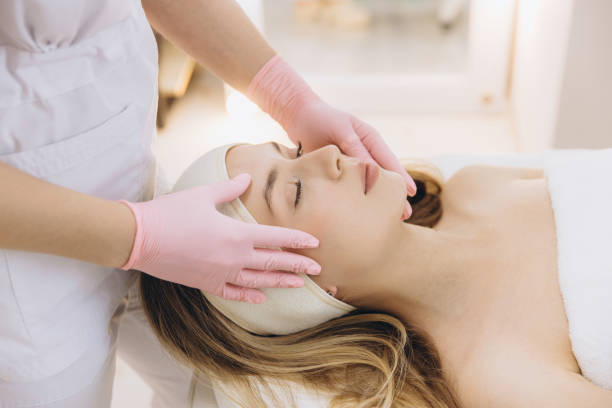
Ever looked in the mirror and spotted those stubborn blackheads that just won’t budge? You’re not alone. Tons of people deal with clogged pores, and honestly, it’s one of the most common reasons folks book professional treatments. But here’s the thing – not everyone needs extractions, and getting them done wrong can actually make things worse.
If you’re considering a Facial in Flower Mound TX, you’ve probably wondered what extractions really involve. Let me break it down in plain English so you can make a smart choice about your skin.
What Actually Happens During Facial Extractions
Extractions are basically the professional removal of what’s clogging your pores. We’re talking blackheads, whiteheads, and sometimes those annoying little bumps that won’t go away on their own. A trained esthetician uses specific tools and techniques to clear out this stuff without damaging your skin.
Now, this isn’t the same as what you do at home in front of the bathroom mirror. Professional extractions involve proper preparation – your skin gets steamed to open pores, and the esthetician knows exactly how much pressure to use. Too much force? You risk scarring. Too little? The blockage stays put.
The process typically happens mid-facial, after cleansing and exfoliation but before masks and serums. Your skin is prepped and ready, which makes the whole thing way more effective and less painful than DIY attempts.
Different Types of Pore Blockages
Not all skin congestion is created equal. Let’s talk about what actually responds to extractions.
Blackheads (Open Comedones)
These are the dark spots you see in your pores – usually on your nose, chin, or forehead. They’re dark because the clog is exposed to air and oxidizes, not because of dirt. Blackheads respond really well to professional extractions because they’re sitting right at the surface.
Whiteheads (Closed Comedones)
Whiteheads are trickier. They’re under the skin surface, which means more skill is needed to extract them safely. An experienced esthetician can handle these, but honestly, not all whiteheads should be extracted during a single session.
Pustules and Cysts
Here’s where it gets important – active acne pustules and cystic acne generally shouldn’t be extracted during a regular facial. Cysts especially need dermatological treatment. Trying to extract these can lead to infection, scarring, and spreading bacteria to other areas.
According to the American Academy of Dermatology research on comedones, proper identification of skin congestion types determines treatment success rates significantly.
When You Actually Need Extractions
So when does it make sense to get extractions? Let me give you the straight answer.
You’re probably a good candidate if you have persistent blackheads that don’t respond to your regular skincare routine. Maybe you’ve tried those pore strips and clay masks, but nothing’s really working. Or you’ve got congestion that’s making your skin texture feel rough and bumpy.
Some people just naturally produce more sebum (skin oil), which means more frequent clogging. If that’s you, regular extractions might become part of your skincare maintenance. Think of it like dental cleanings – some people need them more often than others.
But here’s when you should skip extractions: if you’re dealing with active inflammation, severe acne, or if your skin is super sensitive and reactive. Also, if you’re on certain medications like Accutane, extractions are a no-go because your skin is too fragile.
The Professional Difference
Why not just do it yourself at home? I get asked this all the time. Look, I’ve seen the damage from DIY extractions, and it’s not pretty.
Professional estheticians spend months learning proper extraction techniques. They know the right angle, the right pressure, and when to stop. They also work in sanitary conditions with sterilized tools. At home, you’re basically guessing – and your bathroom mirror lighting isn’t doing you any favors.
Home extractions often lead to broken capillaries (those little red marks that don’t go away), scarring, and spreading bacteria. You might even push the blockage deeper instead of removing it. That creates more inflammation and makes the problem worse.
A Best Facial in Flower Mound TX will include proper skin analysis first. The esthetician looks at your whole face, identifies what type of congestion you have, and decides which areas will benefit from extractions and which won’t.
What to Expect During the Process
Okay, let’s talk about what actually happens so you’re not caught off guard.
First off – does it hurt? Honestly, it depends. Most people feel some pressure and mild discomfort, kind of like someone pressing firmly on your skin. Blackheads typically don’t hurt much because they’re superficial. Deeper congestion might be more uncomfortable, but it shouldn’t be painful. If something really hurts, speak up. That’s a sign the esthetician needs to adjust their technique or skip that area.
The whole extraction portion usually takes 10-15 minutes, though it varies based on how much congestion you have. Some areas of your face are more sensitive than others – the nose usually tolerates extractions well, while the cheeks can be more tender.
After extractions, your skin will probably look a bit red. That’s totally normal and usually fades within a few hours. Some people get tiny marks where extractions happened, but these clear up quickly with proper aftercare.
Aftercare That Actually Matters
What you do after your Facial in Flower Mound TX is just as important as the treatment itself. Your pores are open and your skin is more vulnerable for the next 24-48 hours.
Skip the gym that day. Sweat and bacteria getting into freshly extracted pores can cause breakouts. Also avoid touching your face – your hands carry bacteria even when they look clean. And definitely don’t apply makeup for at least 12 hours if you can help it.
Use gentle, non-comedogenic products for the next few days. This isn’t the time to try that new active serum you bought. Stick with basic cleansing and moisturizing. A simple routine helps your skin recover faster.
You might notice some purging in the days following extractions. A few small breakouts can happen as deeper congestion works its way out. This is different from a bad reaction – purging is temporary and happens in areas where you already had congestion.
Alternatives If Extractions Aren’t for You
Not everyone wants or needs manual extractions. There are other options that work pretty well for certain skin types.
Chemical exfoliation with acids like salicylic acid or glycolic acid can help clear pores over time. It’s gentler and works gradually. Some people see better results combining regular chemical peels with occasional extractions rather than doing extractions every facial.
Microdermabrasion and hydrafacials offer suction-based pore cleaning that’s less aggressive than manual extraction. The suction literally vacuums out the gunk without the pressure of tools. This works great for people with sensitive skin or broken capillaries.
LED light therapy and high-frequency treatments can help minimize pores and reduce oil production, which means less future congestion. These don’t extract what’s already there, but they prevent new blockages from forming.
For more insights on maintaining healthy skin between treatments, check out additional skincare resources and professional guidance.
How Often Should You Get Extractions
There’s no one-size-fits-all answer here. Your skin type, lifestyle, and congestion level all play a role.
Most people benefit from extractions every 4-6 weeks if they have ongoing congestion issues. That timeframe matches your skin’s natural renewal cycle. Going more frequently doesn’t necessarily give better results and might actually irritate your skin.
If you only have occasional congestion, you might only need extractions every few months or seasonally. Some people find their skin gets more congested in summer due to heat and humidity, so they schedule facials accordingly.
Pay attention to how your skin responds. If you’re still seeing tons of blackheads a week after extractions, you might need to adjust your home care routine rather than getting more frequent facials. Sometimes the issue is what you’re doing (or not doing) between appointments.
Red Flags to Watch For
Not all extraction experiences are created equal. Here’s what should make you concerned.
If an esthetician is really aggressive and you’re in significant pain, that’s a problem. Proper technique shouldn’t feel like torture. Also, if they’re not using gloves or if their tools don’t look clean, get out of there. Infections from unsanitary extractions are no joke.
Excessive bleeding during extractions isn’t normal. A tiny bit of clear fluid is fine, but if you’re bleeding from multiple extraction sites, the pressure is too aggressive. Same goes if you leave with tons of red marks or bruising.
After your Best Facial in Flower Mound TX, watch for signs of infection – increasing redness, warmth, swelling, or pus developing in the following days. That’s not normal post-facial sensitivity. That’s your skin telling you something went wrong.
Frequently Asked Questions
Can I wear makeup right after getting extractions?
Not recommended for at least 12-24 hours. Your pores are open and vulnerable to bacteria. If you absolutely must wear makeup, use clean brushes and mineral-based products, but honestly, it’s better to schedule facials when you can go bare-faced afterward.
Why do some extractions refill quickly after a facial?
If the same pores keep clogging within days, you’re probably dealing with enlarged pores or overactive oil glands. Your home skincare routine needs adjustment – look into products with retinol or niacinamide to help regulate oil production and minimize pore size over time.
Are extractions safe during pregnancy?
Generally yes, but pregnancy hormones can make your skin more sensitive. Let your esthetician know you’re pregnant so they can adjust pressure and avoid certain products. Some pregnant women find extractions more uncomfortable than usual due to increased skin sensitivity.
What’s the difference between extractions and dermaplaning?
Completely different treatments. Dermaplaning removes dead skin cells and peach fuzz from the surface using a blade. Extractions clear out what’s inside your pores. Many facials combine both techniques for comprehensive results, but they serve different purposes.
Can extractions cause permanent scarring?
Improper extractions can definitely cause scarring, especially if too much pressure is used or if the wrong type of blemish is extracted. That’s why professional training matters so much. If you’re prone to scarring or have active acne, discuss alternatives with your esthetician before agreeing to extractions.
Bottom line? Extractions can be an incredibly effective part of your skincare routine when done right. They clear congestion that topical products can’t reach, giving you smoother texture and clearer skin. But they’re not for everyone, and they’re definitely not something to attempt at home with your fingernails and a magnifying mirror. Find a skilled professional, communicate your concerns, and follow proper aftercare. Your skin will thank you.