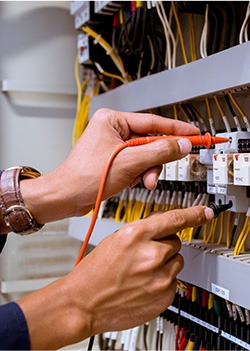
Whether you’re building a new home, renovating an older property, or simply upgrading your electrical system, finding a qualified electrician in Corona, CA is essential for safety and code compliance. Electrical work is not a DIY project. Poor installations can lead to power outages, fire hazards, and costly repairs down the line. Understanding what goes into professional electrical installation helps you make informed decisions and ensures your home or business gets the reliable power it needs.
This guide walks you through the key aspects of electrical installation services in Corona, from understanding when you need professional help to what happens during the installation process. We’ll also cover one of the most common electrical upgrades homeowners request: electric outlet installation. By the end, you’ll know what to look for in a contractor and how to prepare for your next electrical project.
When Do You Need Electrical Installation Services?
Many situations call for professional electrical installation service in Corona, CA. New construction projects require complete electrical systems designed to meet current building codes and anticipated power loads. This includes running wire through walls, installing service panels, and connecting all outlets, switches, and fixtures. A licensed electrician ensures everything meets National Electrical Code standards and passes local inspections.
Home additions and remodels also require electrical work. Adding a room means extending circuits, installing new outlets, and possibly upgrading your electrical panel if the existing system can’t handle the additional load. Kitchen and bathroom renovations often involve relocating outlets, adding dedicated circuits for appliances, and installing GFCI protection where required by code.
Older homes frequently need electrical system upgrades. If you’re dealing with flickering lights, frequently tripped breakers, or insufficient outlets, your electrical system may be outdated. Many homes built before the 1980s have electrical panels and wiring that can’t support modern electrical demands. Upgrading these systems improves safety and functionality while increasing your property value.
Understanding Electric Outlet Installation in Corona, CA
Electric outlet installation is one of the most requested electrical services. It sounds simple, but proper outlet installation requires knowledge of electrical codes, load calculations, and safety protocols. The wrong outlet in the wrong location or an improperly wired connection creates serious hazards.
Types of Outlets and Where They’re Required
Standard 120-volt outlets serve most household needs, but different areas require specific outlet types. Kitchens, bathrooms, garages, and outdoor areas need GFCI (Ground Fault Circuit Interrupter) outlets that shut off power when they detect electrical imbalances. This protection prevents electric shock in areas where water contact is possible.
Bedrooms require AFCI (Arc Fault Circuit Interrupter) protection to prevent electrical fires caused by damaged wiring or faulty connections. Large appliances like electric dryers and ranges need 240-volt outlets with specific amperage ratings. USB outlets are increasingly popular, providing convenient charging without adapters. A qualified electrician in Corona, CA knows which outlets your specific spaces require and can install them correctly.
Common Outlet Installation Mistakes to Avoid
Homeowners attempting DIY electric outlet installation often make critical errors. Reversing hot and neutral wires creates a shock hazard even when devices appear to work normally. Failing to secure wire connections properly can cause arcing, heat buildup, and potential fires. Overloading circuits by adding too many outlets to a single circuit trips breakers and damages equipment.
Another common mistake involves using the wrong box type or failing to secure the outlet properly to the box. Loose outlets pull away from walls and expose wiring. Outdoor and bathroom outlets need weatherproof or moisture-resistant covers, not standard faceplates. Professional installation eliminates these risks and ensures every outlet functions safely for years.
What to Expect During the Electrical Installation Process
Professional electrical installation service in Corona, CA follows a structured process. Understanding the steps helps you prepare and sets realistic expectations for your project timeline.
Initial Assessment and Planning
The process starts with an assessment of your electrical needs. The electrician evaluates your current system, discusses your goals, and identifies any code compliance issues. For new installations, this includes determining circuit requirements, outlet placement, and whether panel upgrades are necessary. You’ll receive a detailed estimate covering labor, materials, and permit fees.
Permits are typically required for electrical work in Corona. Your electrician handles the permit application and ensures the work meets all local requirements. Skipping permits might save money initially but creates problems when you sell your home or file insurance claims after electrical issues.
Installation and Testing
During installation, the electrician runs new wiring, installs boxes, and connects all components according to code. They test circuits using specialized equipment to verify proper voltage, grounding, and polarity. Every connection gets checked for security and safety. For outlet installations, they ensure each receptacle is properly grounded and provides the correct voltage.
After installation, a building inspector reviews the work to confirm code compliance. The electrician coordinates this inspection and addresses any issues the inspector identifies. Only after passing inspection is the work considered complete and safe for use.
Choosing the Right Electrician in Corona, CA
Not all electrical contractors offer the same level of expertise and service. Selecting the right professional protects your investment and ensures quality work.
Licensing and Insurance Requirements
California requires electricians to hold valid state licenses. A C-10 license indicates the contractor can perform electrical work legally. Always verify licensing through the Contractors State License Board before hiring anyone. Licensed electricians have demonstrated knowledge of electrical codes and safety practices through testing and experience requirements.
Insurance is equally important. General liability insurance protects your property if something gets damaged during the work. Workers’ compensation coverage protects you from liability if someone gets injured on your property. Request proof of both before any work begins.
Experience with Your Specific Needs
Look for electricians with experience in your type of project. Residential electrical installation differs from commercial work. Someone specializing in new construction might not be the best choice for troubleshooting older home wiring. Ask about similar projects they’ve completed and request references you can contact.
Good electricians explain the work clearly, answer your questions, and provide detailed written estimates. They should walk you through the process, explain code requirements, and offer options that fit your budget. Pushy sales tactics or unusually low bids often signal problems.
Preparing Your Home for Electrical Installation
Taking a few preparation steps makes the installation process smoother and faster. Clear the work areas so the electrician can access panels, walls, and ceiling spaces easily. Move furniture, decorations, and valuables away from installation zones. If work involves cutting into walls or ceilings, cover nearby items with drop cloths to protect them from dust.
Communicate your schedule and any access restrictions upfront. Let the electrician know if certain areas are off-limits during specific times or if pets need to be secured. Discuss where they can park, use restrooms, and dispose of waste materials. Clear communication prevents misunderstandings and keeps projects on schedule.
For major installations, expect some power outages during the work. The electrician shuts off power to specific circuits or the entire home while making connections. Plan accordingly by charging devices, adjusting thermostat settings, and preparing alternative lighting if work extends into evening hours.
Final Thoughts on Electrical Installation Services
Quality electrical installation service in Corona, CA provides safety, reliability, and peace of mind. Whether you’re adding outlets to eliminate extension cord clutter or wiring an entire addition, professional installation ensures everything works correctly and meets current codes. The investment in proper electrical work pays dividends through reduced fire risk, better home functionality, and increased property value.
When you need reliable electrical work in the Corona area, working with established local providers makes a difference. Companies like Flash Electrical Services understand local codes, respond quickly to service requests, and stand behind their work with solid warranties. Taking time to choose the right electrician and understanding what the installation process involves sets your project up for success from the start.
Frequently Asked Questions
How much does it typically cost to install a new electrical outlet in Corona?
Electric outlet installation costs vary based on several factors including outlet type, location, and whether new wiring is needed. Simple outlet additions to existing circuits typically run less than specialized GFCI or 240-volt outlets. Installations requiring new circuit runs or panel upgrades cost more due to additional materials and labor. Always get written estimates from licensed electricians that detail exactly what’s included in the price.
Do I need a permit for electrical outlet installation in Corona, CA?
Most electrical work in Corona requires permits, including outlet installations that involve new circuits or modifications to existing wiring. Simple outlet replacements on existing circuits might not need permits, but adding new outlets typically does. Licensed electricians handle permit applications and ensure work meets inspection requirements. Working without required permits can result in fines and complications when selling your home.
How long does a typical electrical installation project take to complete?
Project timelines depend on scope and complexity. Installing a few outlets might take just a few hours, while rewiring a room or adding circuits to a panel could take a full day or more. Larger projects like complete home rewires or new construction electrical installations span several days or weeks. Your electrician provides specific timelines during the estimate phase based on your particular project requirements.
What’s the difference between 15-amp and 20-amp outlets?
The amperage rating indicates how much electrical current the outlet can safely handle. Standard 15-amp outlets serve most household needs like lamps, televisions, and small appliances. Kitchen countertop circuits, workshops, and areas with power-hungry equipment require 20-amp outlets and circuits. Visually, 20-amp outlets have a horizontal slot on one blade opening. Using the correct amperage prevents overloaded circuits and potential fire hazards.
Can I add more outlets to an existing circuit or do I need a new circuit?
Whether you can add outlets to existing circuits depends on the circuit’s current load and capacity. Electricians calculate the total amperage demand on a circuit to determine if it can safely handle additional outlets. Overloading circuits causes breakers to trip and creates fire risks. In many cases, especially in kitchens or when adding outlets for large appliances, new dedicated circuits provide safer and more reliable power delivery.