Whether you’re building a new home or dealing with an aging exterior, understanding roof installation and siding replacement is crucial for homeowners in Haverhill, MA. These two projects often go hand in hand, as they protect your home from the region’s harsh winters and humid summers. Working with a qualified roofing contractor in Haverhill, MA can make the difference between a successful investment and costly repairs down the road.
Both roof installation and siding replacement represent significant investments in your property. They also share common considerations like timing, material selection, and contractor expertise. This guide walks you through everything you need to know about these essential home improvement projects, from recognizing when replacement is necessary to selecting materials that can withstand New England weather patterns.
Understanding When You Need Roof Installation Services
Most asphalt shingle roofs in Haverhill last between 20 and 30 years, depending on installation quality and weather exposure. Signs that you need roof installation services in Haverhill, MA include missing or curling shingles, granule loss that exposes the underlying mat, water stains on interior ceilings, and daylight visible through roof boards in your attic. If your roof has outlived its warranty period or has suffered significant storm damage, full replacement often makes more financial sense than repeated patch repairs.
The decision between repair and replacement depends on several factors. A roof with isolated damage covering less than 30 percent of its surface might be a good repair candidate. However, widespread issues across multiple sections typically signal that your roof has reached the end of its service life. Professional inspections can reveal hidden problems like rotted decking or inadequate ventilation that become apparent only when old materials are removed.
Climate Considerations for Haverhill Roofing Projects
Haverhill’s climate presents specific challenges for roofing systems. Winter ice dams form when heat escapes through the roof, melting snow that refreezes at the eaves. This cycle can force water under shingles and into your home. Quality roof installation services in Haverhill, MA should include proper ice and water barrier installation, adequate attic insulation, and ventilation strategies that prevent heat buildup. These elements work together to extend roof life and prevent moisture intrusion.
Choosing Materials for Your New Roof
Material selection dramatically impacts both performance and aesthetics. Architectural shingles offer dimensional texture and typically carry warranties between 30 and 50 years. They resist wind damage better than three-tab shingles and provide superior curb appeal. Metal roofing has gained popularity in Haverhill for its longevity, often lasting 50 years or more, and its ability to shed snow efficiently. However, metal costs significantly more upfront than asphalt products.
Other options include synthetic slate, which mimics natural stone without the weight concerns, and cedar shakes for traditional New England character. Each material has distinct maintenance requirements and performance characteristics. A knowledgeable roofing contractor in Haverhill, MA can explain how different products perform in local conditions, helping you balance initial costs against long-term value and maintenance demands.
Signs You Need Siding Replacement
Siding protects your home’s structural elements from moisture, insects, and temperature fluctuations. Warning signs that you need siding replacement services in Haverhill, MA include visible cracks, warping, or rot in wood siding, loose or missing panels, paint that peels shortly after application, and unexplained increases in heating or cooling costs. Vinyl siding that has faded severely or become brittle has lost its protective qualities and should be replaced.
Interior clues also indicate siding failure. Peeling wallpaper, bubbling paint on interior walls, or mold growth suggest that moisture is penetrating the siding system. When you remove old siding during replacement, contractors often discover water damage to sheathing, insulation, or framing that requires repair before new siding installation. These hidden issues explain why seemingly cosmetic siding problems can indicate deeper structural concerns.
Evaluating Different Siding Materials
Vinyl siding remains popular in Haverhill for its low maintenance requirements and moderate cost. Quality vinyl products resist fading, withstand temperature extremes, and never need painting. Fiber cement siding offers superior durability and fire resistance while mimicking wood grain textures. It requires periodic painting but resists rot, insects, and impact damage exceptionally well.
Wood siding provides authentic character but demands regular maintenance including staining or painting every few years. Engineered wood products combine wood fiber with resins to improve moisture resistance while maintaining a natural appearance. When selecting materials for siding replacement services in Haverhill, MA, consider not just appearance and initial cost, but also maintenance requirements, expected lifespan, and energy efficiency contributions.
Coordinating Roof and Siding Projects
Tackling both projects simultaneously offers several advantages. Scaffolding and equipment costs are shared between projects rather than duplicated. You create a cohesive exterior aesthetic by selecting complementary colors and textures for both surfaces. Most importantly, you avoid potential damage that can occur when crews work on one surface near recently completed work on the other.
Combined projects also reveal underlying issues more thoroughly. When both roof and siding are removed, inspectors can examine wall framing, window flashing, and structural elements that remain hidden during single-surface replacements. This comprehensive access allows contractors to address problems before they escalate into major repairs. Financing a single combined project may also prove easier than securing separate loans for projects completed years apart.
Timing Your Exterior Renovation
Late spring through early fall provides optimal conditions for both roof installation services in Haverhill, MA and siding work. Moderate temperatures allow materials to seal properly and workers to maintain consistent quality. However, experienced contractors can complete these projects during cooler months using appropriate techniques. Scheduling during shoulder seasons, like April through May or September through October, may offer better availability and potentially lower costs than peak summer months.
What to Expect During Installation
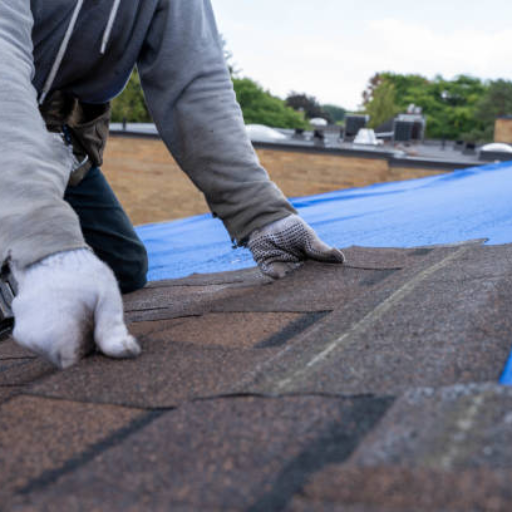
Professional roof installation begins with complete removal of old materials down to the decking. Contractors inspect and repair structural damage before applying underlayment and ice barriers. Shingle installation proceeds according to manufacturer specifications to maintain warranty coverage. The process typically takes two to five days for residential projects, depending on roof complexity and size.
Siding replacement follows similar preparation steps. Old siding comes off, revealing the house wrap and sheathing beneath. Any damaged sheathing gets replaced, and new house wrap creates a weather-resistant barrier. Window and door trim receives attention to ensure proper flashing before siding installation begins. Experienced crews maintain clean work sites, protect landscaping, and communicate daily progress to homeowners.
Selecting the Right Contractor
Credentials matter when choosing professionals for these major projects. Verify that any roofing contractor in Haverhill, MA carries proper licensing, liability insurance, and workers compensation coverage. Request references from recent projects similar to yours and actually contact those homeowners about their experiences. Written estimates should itemize materials, labor, timeline, and warranty details rather than providing a single lump sum figure.
Manufacturer certifications indicate that contractors have received training in proper installation techniques for specific products. These certifications often unlock enhanced warranty coverage for homeowners. Be cautious of contractors who pressure immediate decisions, request large upfront deposits, or cannot provide verifiable local references. Quality contractors welcome questions and provide clear answers about their process, materials, and business practices.
Final Thoughts on Protecting Your Haverhill Home
Investing in professional roof installation and siding replacement protects your home’s structural integrity while improving energy efficiency and curb appeal. These projects require careful planning, quality materials, and skilled installation to deliver lasting value. By understanding the signs that replacement is necessary, educating yourself about material options, and selecting qualified contractors, you position yourself to make informed decisions that serve your home for decades.
Working with established local professionals ensures your project meets regional building codes and addresses climate-specific challenges unique to the Haverhill area. Companies like RA Contractor understand how New England weather patterns affect exterior systems and can recommend solutions tailored to local conditions. Whether you’re addressing immediate damage or planning a preventive upgrade, investing in quality roof and siding work pays dividends in comfort, protection, and home value for years to come.
Frequently Asked Questions
How long does a typical roof and siding replacement project take in Haverhill?
Most combined roof and siding projects for average-sized homes take between one and two weeks to complete, weather permitting. Roof installation typically requires two to five days, while siding replacement takes five to ten days depending on home size and architectural complexity. Larger homes or those with multiple stories, dormers, or intricate trim details may extend this timeline. Contractors should provide a detailed schedule before work begins and communicate any delays promptly.
Can I replace just the roof or siding without doing both at the same time?
Absolutely. Many homeowners address these projects separately based on budget constraints or because one system has failed while the other remains serviceable. However, if both your roof and siding are approaching the end of their lifespan, or if one has already failed, combining the projects often proves more cost-effective. Shared mobilization costs, coordinated material selection, and comprehensive access to structural elements make simultaneous replacement advantageous when timing and budget allow.
What warranties should I expect with new roof installation and siding?
Material warranties typically range from 20 to 50 years depending on the products selected, with premium options offering longer coverage. Manufacturer warranties cover defects in materials but usually exclude installation errors. Workmanship warranties from your contractor should provide at least two to five years of coverage for installation quality. Some contractors offer extended workmanship warranties, and manufacturer certification programs may unlock enhanced material warranties that cover both product defects and installation issues.
How do I prepare my home and property before contractors arrive?
Clear items from around your home’s perimeter to provide workers safe access and protect your belongings from falling debris. Move vehicles from driveways and garage areas. Inside your home, remove wall decorations and fragile items that might be disturbed by vibrations from roof work. Cover items in your attic if you have stored belongings there. Trim back tree branches within ten feet of your home to give crews clearance. Inform neighbors about the upcoming project, as noise and activity will be noticeable during working hours.
Will new siding and roofing improve my home’s energy efficiency?
Yes, both projects offer significant energy efficiency improvements when done properly. Modern roofing materials reflect more heat than older products, reducing cooling costs in summer. Proper attic ventilation installed during roof replacement prevents heat buildup year-round. New siding installation creates opportunities to add exterior insulation and replace deteriorated house wrap, creating better thermal barriers. Many homeowners report noticeable reductions in heating and cooling costs after completing these upgrades, with the energy savings helping offset the initial investment over time.