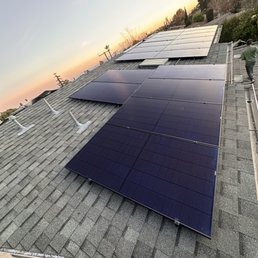
Choosing to go solar is one of the smartest energy decisions a homeowner can make, but the benefits don’t stop once the panels are installed. To maximize your investment and keep your system running at peak efficiency, two maintenance considerations deserve your attention: adding battery backup for energy independence and keeping your panels clean for optimal production. If you’ve recently installed solar or are planning to upgrade your existing system, understanding these two elements can make a significant difference in your energy savings and system reliability.
North Hills residents face unique environmental conditions that affect solar performance. The combination of Southern California sun exposure, occasional dust storms, and the region’s semi-arid climate means your panels accumulate grime faster than you might expect. At the same time, increasing grid instability and rising electricity costs make battery backup systems more attractive than ever. This guide covers everything you need to know about these two critical aspects of solar system maintenance and enhancement.
Why Battery Backup Matters for Your Solar System
Standard solar panel systems without battery backup shut down during power outages, even on sunny days. This safety feature protects utility workers repairing lines, but it leaves you without power when you need it most. Solar battery backup installation changes this equation entirely. With a properly sized battery system, you can store excess energy your panels generate during the day and use it at night or during grid failures.
Beyond emergency backup, batteries unlock additional financial benefits through time-of-use rate optimization. You can store solar energy produced during off-peak hours and use it during expensive peak-rate periods, significantly reducing your electric bills. In North Hills, where summer temperatures drive up cooling costs, this strategy can save hundreds of dollars annually. Battery systems also provide a buffer against the duck curve effect, where solar production peaks when grid demand is low, then drops off just as evening demand surges.
Choosing the Right Battery Capacity
Battery sizing depends on your specific needs and budget. Most homeowners start by identifying essential loads they want to power during an outage: refrigerator, internet router, some lights, and perhaps a window air conditioner. A typical 10-13 kWh battery can handle these basics for 12-24 hours, depending on usage. Whole-home backup requires multiple batteries or larger capacity units, which increases the initial investment but provides complete energy security.
Working with an experienced solar energy company in North Hills CA ensures your battery system integrates seamlessly with your existing panels and inverter. Professional installers assess your electrical panel, determine optimal battery placement (garage, exterior wall, or utility area), and ensure all connections meet current electrical codes. They also configure the system to prioritize battery charging from solar rather than the grid, maximizing your renewable energy usage.
The Hidden Cost of Dirty Solar Panels
Many homeowners assume rain will naturally clean their solar panels, but in North Hills, this assumption costs money. The area receives limited annual rainfall, and when it does rain, the water often leaves mineral deposits and dirt streaks that reduce panel efficiency. Studies show that dirty panels can lose 15-25% of their energy production, translating directly to reduced savings on your electricity bill.
Dust, pollen, bird droppings, leaves, and air pollution all contribute to panel soiling. The flat or low-angle installation common in residential systems means debris doesn’t slide off easily. North Hills sits near major roadways and experiences Santa Ana wind conditions that deposit fine dust across surfaces. Over months, this buildup creates a film that blocks sunlight from reaching the photovoltaic cells, diminishing your system’s output without you realizing it.
When to Schedule Professional Cleaning
Most solar energy company professionals recommend cleaning panels at least twice per year in North Hills, with additional cleanings during peak pollen season or after significant dust events. If you notice a drop in your system’s production (check your monitoring app), that’s another signal cleaning may be overdue. Some homeowners attempt DIY cleaning, but this carries risks of scratching panels, damaging seals, or creating safety hazards when working on roofs.
Professional solar panel cleaning in North Hills CA use deionized water and soft brushes or squeegees designed specifically for photovoltaic surfaces. This approach removes contaminants without leaving mineral deposits or scratching the anti-reflective coating. Technicians also inspect connections, mounting hardware, and panel surfaces for damage during the cleaning process, catching potential issues before they become expensive problems. The cost of professional cleaning typically pays for itself through increased energy production within a few months.
Combining Battery Installation with Regular Maintenance
If you’re considering solar battery backup installation, coordinating it with a panel cleaning makes practical sense. Technicians are already on your roof examining your system, so they can identify any wiring issues, check inverter performance, and ensure your panels are producing at full capacity. This comprehensive approach gives you a complete picture of your system’s health and performance potential.
Battery installation also provides an opportunity to upgrade monitoring systems. Modern battery-integrated monitoring shows real-time production, consumption, battery charge levels, and grid status all in one dashboard. You’ll instantly see how clean panels affect your daily production and how your battery charges more efficiently when panels are operating at peak performance. This visibility helps you make informed decisions about energy usage patterns and maintenance scheduling.
Understanding Installation Timelines and Permits
Solar battery backup installation involves more complexity than simple panel cleaning. Battery systems require electrical permits, utility interconnection agreements, and sometimes HOA approvals. The entire process typically takes four to eight weeks from initial consultation to final inspection, though straightforward installations can move faster. Experienced installers handle all permitting and paperwork, ensuring your system meets local building codes and utility requirements.
Panel cleaning, by contrast, usually happens within a week of scheduling and doesn’t require permits. Many homeowners establish recurring cleaning appointments every six months, treating it like routine HVAC maintenance. This proactive approach prevents efficiency loss and helps you budget for ongoing solar system care. Some companies offer package deals that bundle cleaning with annual electrical inspections, providing comprehensive system maintenance at a reduced combined rate.
Maximizing Long-Term Solar Performance
Your solar panels carry 25-year performance warranties, but reaching that lifespan at full efficiency requires consistent attention. Regular cleaning removes corrosive elements that can degrade panel surfaces over time. Battery backup systems, when properly maintained, typically last 10-15 years before needing replacement. Together, these maintenance practices protect your initial investment and ensure you capture every available kilowatt-hour of free solar energy.
Monitoring your production data helps you establish a baseline and spot deviations quickly. If your system typically produces 35 kWh on a sunny June day but suddenly drops to 28 kWh without obvious weather changes, dirty panels or a technical issue may be responsible. Quick response to these signals prevents extended periods of reduced production. Similarly, if your battery isn’t holding a charge as expected, early detection allows for warranty claims or minor repairs rather than complete replacement.
Seasonal Considerations for North Hills Homeowners
Spring and fall represent ideal times for panel cleaning in North Hills. Spring cleaning removes winter dust and pollen before peak summer production season, while fall cleaning prepares your system for winter when every bit of sunlight counts during shorter days. Summer brings the highest production potential, making it critical to have clean panels capturing maximum sun. Winter typically sees cleaner air but less frequent rain, so panels still accumulate dirt that reduces already limited production.
Battery backup proves most valuable during summer and winter peaks when grid strain is highest. Summer heat waves can trigger rolling blackouts, while winter storms occasionally disrupt power. Having a fully charged battery during these vulnerable periods provides peace of mind and keeps essential appliances running. Schedule battery system checks before these peak seasons to ensure everything operates correctly when you need it most.
Final Thoughts on Solar System Care
Maintaining your solar investment doesn’t have to be complicated, but it does require attention to two key areas: energy storage capability and production efficiency. Adding battery backup transforms your solar system from a grid-tied supplement into a true energy independence solution. Regular cleaning ensures your panels deliver the production you paid for, preventing the slow efficiency creep that costs money month after month.
North Hills homeowners who prioritize both battery installation and regular panel maintenance see the best return on their solar investment. These aren’t optional upgrades or nice-to-have services; they’re essential components of responsible solar ownership. Companies like Global Green Solar understand the local environmental factors affecting solar performance and can provide tailored recommendations based on your specific situation and energy goals. By treating your solar system as a long-term investment requiring periodic care rather than a set-it-and-forget-it installation, you’ll enjoy maximum savings and reliability for decades to come.
Frequently Asked Questions
How much does solar battery backup installation typically cost for a home in North Hills?
Battery backup costs vary based on capacity and brand, but most homeowners invest between $8,000 and $15,000 for a single battery system with installation. Larger whole-home backup solutions with multiple batteries can reach $20,000 to $30,000. Federal tax credits cover 30% of the installation cost, and some utility rebates may apply. The payback period depends on your electricity rates, usage patterns, and how often you experience outages, but most systems pay for themselves within 7-12 years through energy savings and increased home value.
Can I clean my solar panels myself or should I hire professionals?
While you can clean accessible ground-mounted panels yourself using a soft brush and hose, roof-mounted systems present safety risks and potential for damage. Professional cleaners have proper insurance, safety equipment, and specialized tools that prevent scratching or damaging panels. They also use deionized water that doesn’t leave mineral deposits. Most importantly, they inspect your system during cleaning to catch issues early. For roof-mounted systems, professional cleaning is worth the investment for safety alone.
How often do solar panels in North Hills need cleaning?
Most North Hills homes benefit from professional cleaning twice per year, typically in spring and fall. Homes near busy roads, construction sites, or agricultural areas may need quarterly cleaning. If you notice a production drop of more than 10-15% compared to previous months with similar weather, that signals the need for immediate cleaning. Monitoring your system’s output helps you determine the optimal schedule based on your specific location and environmental exposure.
Will a solar battery backup power my whole house during an outage?
This depends on your battery capacity and home’s energy consumption. A single 10-13 kWh battery typically powers essential loads (refrigerator, lights, internet, some outlets) for 12-24 hours. Whole-home backup requires either multiple batteries or careful load management, cycling which appliances run at different times. During an outage, your panels can recharge batteries during daylight hours, extending backup duration indefinitely as long as the sun shines and you manage consumption carefully.
Does adding battery backup require upgrading my existing solar system?
Most modern solar systems can add battery backup without replacing panels or making major changes. However, older systems with string inverters may need an additional battery-specific inverter or a complete upgrade to a hybrid inverter. Your electrical panel must also have adequate capacity and proper configuration for battery integration. A professional assessment determines what modifications, if any, your specific system requires. Many times, adding batteries to existing solar is straightforward and completed in one to two days.